
Sheepadoodle Phaser Plugin Free Download
If you love adding movement and vibe to your sounds, a good phaser can be a secret weapon in your plugin folder. From subtle stereo motion on pads to psychedelic sweeps on guitars and synths, phasers bring life to otherwise static sounds. One plugin that’s been quietly catching the attention of producers is Sheepadoodle Phaser.
Let’s break down what it is, how it sounds, and where it fits in a real-world music production workflow.
What is Sheepadoodle Phaser?
Sheepadoodle Phaser is a modulation effect plugin designed to create phase shifting and swirling textures in your audio. Like classic phasers, it works by splitting the signal, shifting the phase of one part, and blending it back with the original. The result is that familiar moving “whoosh” or “swirl” we’ve heard on countless records.
But what makes Sheepadoodle Phaser interesting is its balance between simplicity and musicality. It doesn’t overwhelm you with unnecessary controls, yet it gives enough flexibility to shape your sound creatively.
Sound & Character
The first thing you’ll notice is that it sounds musical rather than clinical. Some phasers can feel harsh or metallic, especially in the high end. Sheepadoodle Phaser tends to be smoother, making it easier to use on:
Vocals for subtle movement
Electric pianos and pads
Clean guitars
Ambient textures
Lo-fi or chill tracks
At gentle settings, it adds motion without making the effect obvious. Push it harder, and you can get those deep, sweeping psychedelic tones perfect for intros, transitions, and breakdowns.
Key Controls (and Why They Matter)
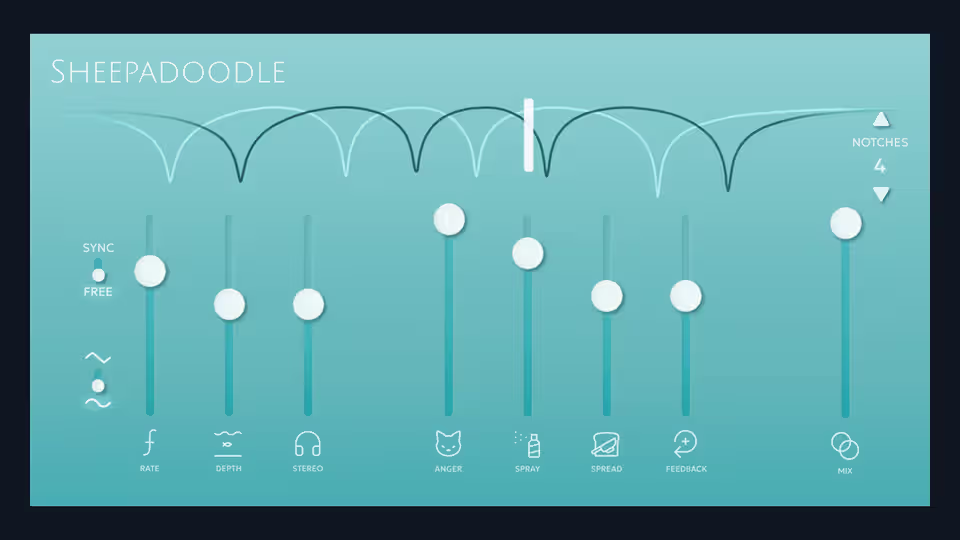
While the exact interface may vary by version, most phasers—including Sheepadoodle—focus on a few core parameters:
1. Rate
Controls how fast the phase sweep moves.
Slow rate = wide, evolving movement
Fast rate = vibrato-like, animated feel
2. Depth
Determines how intense the phasing is.
Low depth = subtle color
High depth = obvious swirl
3. Feedback / Resonance
Feeds the phased signal back into itself.
Low feedback = smooth and natural
High feedback = sharper, more pronounced peaks
4. Mix (Dry/Wet)
Lets you blend the effect with the original signal.
This is crucial for parallel-style processing and keeping things controlled.
Where It Shines in a Mix
1. Pads & Atmospheres
A slow phaser on pads can make a static chord feel alive and evolving.
2. Guitars
Classic territory. Clean or lightly driven guitars sound great with phasing.
3. Synth Leads
Great for adding movement without using heavy automation.
4. Transitions & FX
Automating rate or mix can create risers and trippy transitions.
Workflow Tip
Try putting Sheepadoodle Phaser after reverb on a bus.
Instead of phasing the dry signal, you phase the reverb tail. This creates wide, dreamy motion without muddying the main sound.
Another trick: automate the mix knob so the phaser appears only in certain sections (like pre-chorus or bridge). This keeps your arrangement dynamic.
Who Is It For?
Sheepadoodle Phaser is ideal for:
Producers who want quick, musical results
Sound designers who enjoy modulation effects
Beginners who don’t want a complicated UI
Anyone making ambient, indie, lo-fi, pop, or psychedelic music
Final Thoughts
Sheepadoodle Phaser isn’t about flashy visuals or endless parameters. It’s about usable, musical modulation that fits into real productions. If you’re looking for a phaser that can go from subtle polish to full swirl without fighting your mix, it’s worth trying.
Sometimes, small modulation touches are what make a track feel professional—and a good phaser like this can be exactly that finishing touch.
Featured image
Pubbas Sheepadoodle phaser interface with frequency visualization. Product artwork: Pubbas. Product/image source.
Sheepadoodle Phaser Plugin Free Download